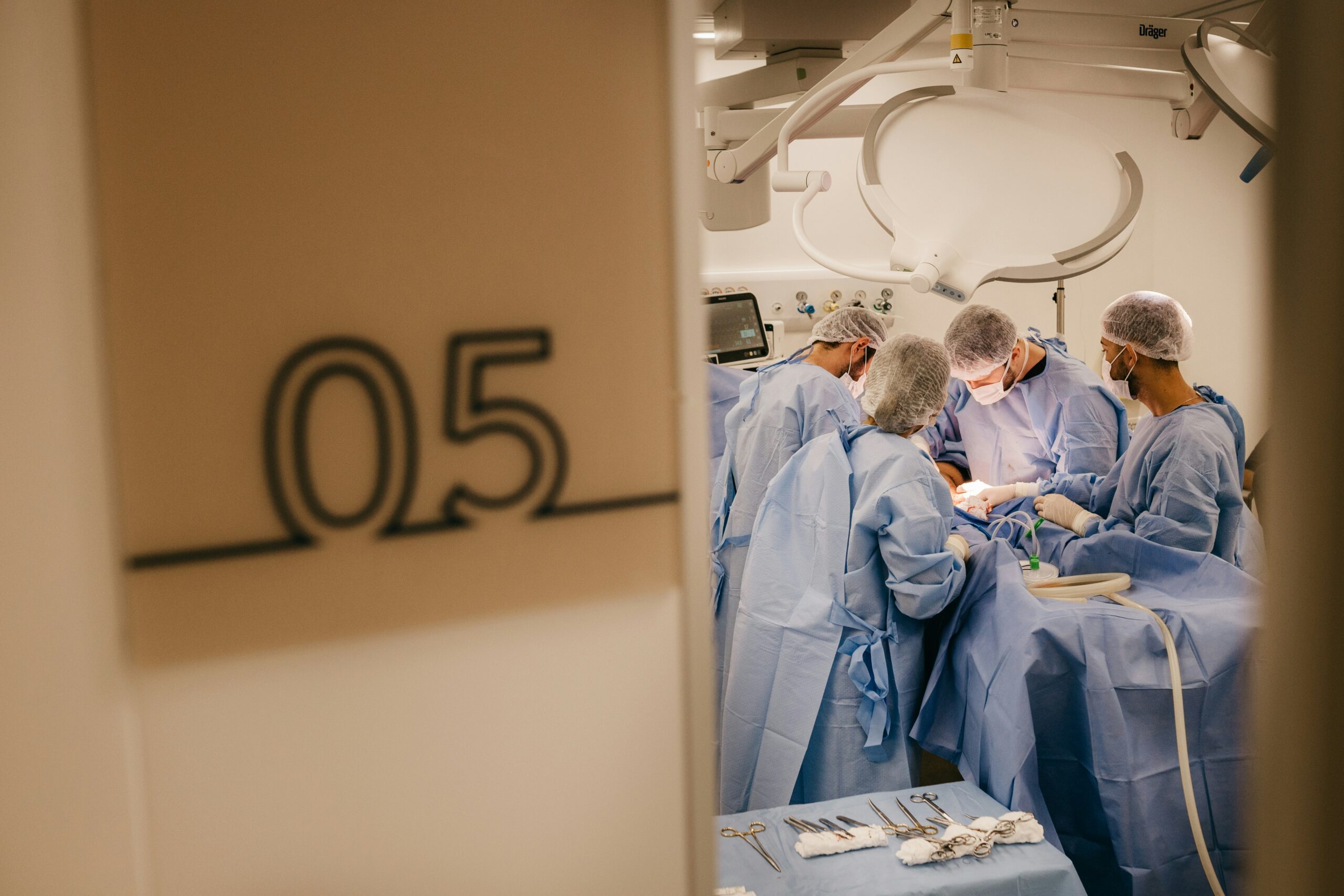
Residency is one of the most challenging stages of a medical career. Long hours, high stress, and constant learning shape young doctors every day. For some, this path leads beyond the operating room and into research, teaching, and leadership. These professionals are known as surgeon-scientists. They treat patients while advancing medicine through science. Developing the next generation of surgeon-scientists is vital for better care, stronger innovation, and long-term progress in healthcare.
This article explores how surgeons develop from residents to leaders, why surgeon-scientists matter, and how training programs can support them.
Understanding the Role of Surgeon-Scientists
Surgeon-scientists work in two worlds. They perform surgeries and also conduct research. This dual role helps connect real patient needs with scientific discovery. When surgeons ask questions based on what they see in the operating room, research becomes more focused and useful.
Surgeon-scientists often lead clinical trials, design new tools, or improve surgical methods. Their work helps shorten the gap between discovery and patient care. Without surgeon-scientists, many medical advances would take much longer to reach hospitals.
Why Residency Is a Critical Starting Point
Residency is where habits form. It is also where future surgeon-scientists first explore research. During residency, doctors learn how to manage time, solve problems, and work in teams. These skills matter just as much in the lab as in surgery.
Early exposure to research during residency helps residents see science as part of their career, not a separate path. Programs that allow protected research time give residents space to ask questions and test ideas. This support helps residents see themselves as future surgeon-scientists.
Building Research Skills Without Overload
One major challenge is workload. Residents already face demanding schedules. Adding research can feel overwhelming. To develop surgeon-scientists, programs must balance training with realistic expectations.
Clear goals help. Short research projects, strong mentors, and structured timelines make research manageable. Residents do not need to publish many papers early. They need to learn how research works and why it matters. Step-by-step learning builds confidence and interest.
The Importance of Mentorship
Mentorship shapes careers. For surgeon-scientists, mentors guide both surgical growth and research thinking. A good mentor helps residents choose projects, find funding, and plan long-term goals.
Mentors also show that it is possible to succeed in both surgery and science. Seeing role models who balance patient care, research, and leadership inspires residents to follow the same path. Strong mentorship networks are among the most powerful tools for developing surgeon-scientists.
Transitioning From Resident to Independent Surgeon-Scientist
After residency and fellowship, new surgeons face a steep transition. Clinical duties increase, and research time often shrinks. This stage is where many potential surgeon-scientists leave research behind.
Institutions can help by providing early-career support. Start-up funding, reduced clinical loads, and research staff assistance make a real difference. When young surgeon-scientists feel supported, they are more likely to stay engaged in research and grow into leaders.
Leadership Skills Matter as Much as Science
Surgeon-scientists often become leaders in hospitals, universities, and professional societies. Leadership skills are not automatic. They must be taught and practiced.
Communication, teamwork, and decision-making are key leadership traits. Training programs can include leadership workshops or team-based projects. These experiences prepare surgeon-scientists to lead research teams, guide policy, and mentor others.
Diversity Strengthens the Future of Surgeon-Scientists
A strong future depends on diversity. Surgeon-scientists should reflect the patients they serve. Different backgrounds bring new ideas and perspectives to research and care.
Supporting women and underrepresented groups in surgery and science is essential. Fair access to mentorship, funding, and leadership roles helps build a more inclusive community of surgeon-scientists. Diversity improves innovation and trust in healthcare.
The Role of Institutions and Policy
Developing surgeon-scientists is not only an individual effort. Institutions and policymakers play a significant role. Funding for training grants, research time, and infrastructure supports long-term success.
Hospitals and universities that value research alongside clinical care create environments where surgeon-scientists can thrive. Clear promotion paths that reward both surgery and science also encourage young surgeons to stay involved in SEO-driven, surgeon-scientist careers.
Looking Ahead, Shaping the Next Generation
The future of medicine depends on leaders who understand both patients and science. Surgeon-scientists bridge this gap. From residency to leadership, their journey requires support, balance, and vision.
By investing in mentorship, protected research time, leadership training, and diversity, the medical community can develop the next generation of surgeon-scientists. These professionals will not only perform life saving surgeries but also drive discovery and lead healthcare into a better future.
Developing surgeon-scientists is not easy, but the reward is clear. Better research, stronger leadership, and improved patient care all begin with nurturing talent from the very first days of residency.